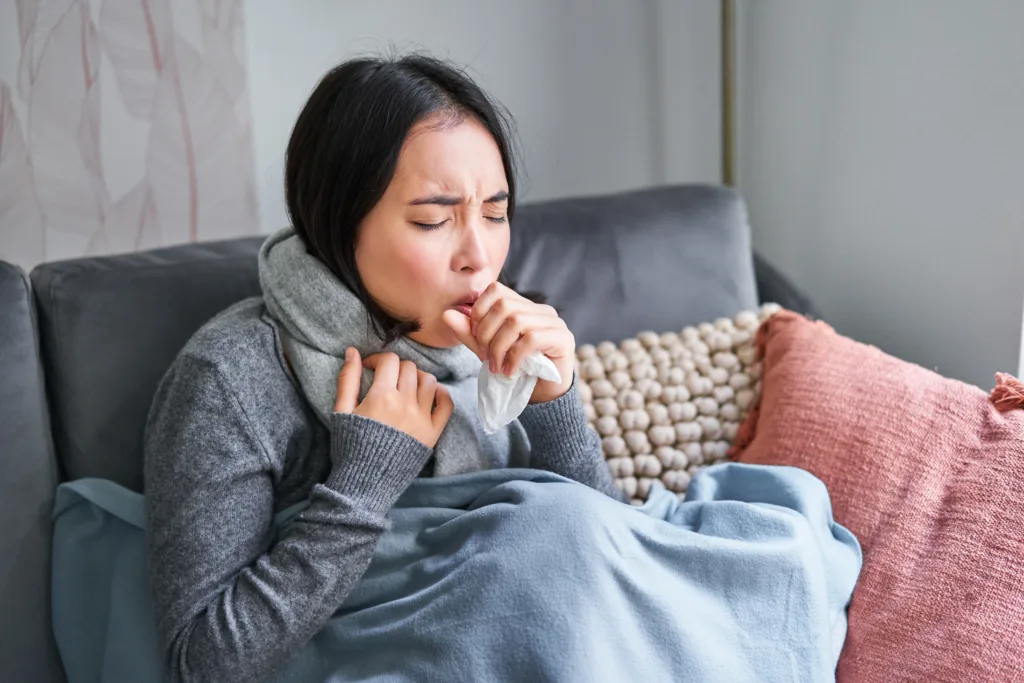
Most chest colds clear up on their own, but sometimes a cough that seemed harmless gets worse instead of better. That leads many patients to ask, can bronchitis turn into pneumonia? The answer is yes. While most cases of bronchitis heal without complications, the infection can sometimes spread deeper into the lungs and cause pneumonia, a more serious illness that may need antibiotics, oxygen, or hospital care.
Knowing the difference between the two, and the signs that bronchitis is turning into something more serious, can help you get the right care at the right time. If you are searching for an ER near me because your cough is getting worse, East Houston Medical Center is open 24/7.
Bronchitis Vs. Pneumonia: What Is The Difference?
Bronchitis
Bronchitis is inflammation of the bronchial tubes, the large airways that carry air into the lungs. It causes a hacking cough and mucus, and most cases are caused by viruses. Acute bronchitis usually improves within 1 to 3 weeks.
Pneumonia
Pneumonia is an infection deeper in the lungs, inside the tiny air sacs called alveoli. These sacs can fill with fluid or pus, making it harder for oxygen to reach your blood. Pneumonia tends to cause higher fever, more intense symptoms, and greater breathing trouble.
How Does Bronchitis Turn Into Pneumonia?
Bronchitis can lead to pneumonia in two main ways:
- The infection spreads: the virus or bacteria causing bronchitis moves deeper into the lungs.
- A secondary infection develops: inflamed airways make it easier for bacteria to take hold, leading to bacterial pneumonia on top of a viral illness.
This is more likely when the body’s defenses are already weakened by age, chronic illness, or smoking.
Who Is At Higher Risk?
Some people are more likely to develop pneumonia after bronchitis, and the risk is higher when the immune system or lungs are already under strain.
- Adults 65 and older, because their immune systems weaken with age.
- Children younger than 2, because their airways are small and their immune systems are still developing.
- People with asthma, COPD, heart failure, or diabetes, since these conditions make it harder for the body to clear infection.
- Smokers and people exposed to secondhand smoke, because smoke damages the airways and slows healing.
- People with weakened immune systems, who have a harder time fighting off infection.
- People recovering from the flu or COVID-19, because a recent viral illness can leave the lungs more open to a secondary infection.
Signs Bronchitis Is Turning Into Pneumonia
Watch for changes in how you feel. Bronchitis usually gets better day by day. Pneumonia often makes you feel worse, even without a fever. Warning signs include:
- A high or returning fever: especially above 102 degrees Fahrenheit, or one that comes back after improving.
- Shaking chills and sweats: these suggest a deeper lung infection.
- Shortness of breath: even at rest or with light activity. Learn how to stop wheezing if it comes with a whistling sound.
- Sharp chest pain: that worsens when you breathe deeply or cough.
- Rapid breathing or heartbeat: your body is working to make up for low oxygen.
- Thick yellow, green, or bloody mucus: along with other symptoms, this can point to a bacterial infection.
- Confusion: especially in older adults, where it can be an early sign of pneumonia.
- Symptoms that worsen after 1 week: instead of slowly improving.
How Doctors Tell The Difference
Doctors usually start by listening to your lungs. Pneumonia often causes crackling sounds, which are less common with bronchitis. A chest X-ray is the most reliable way to confirm pneumonia, a pulse oximeter checks your oxygen level, and blood tests show how your body is responding to the infection.
Worried about how long you will wait to be seen? Checking emergency room wait times can help you plan, but if you are short of breath, go right away.
Bronchitis Vs. Pneumonia Treatment
Treatment depends on the cause and how severe the illness is.
- Bronchitis: rest, fluids, cough relief, and sometimes an inhaler. Antibiotics usually are not needed.
- Bacterial pneumonia: antibiotics, along with rest and fluids.
- Viral pneumonia: rest, fluids, and supportive care. Antivirals may be used if it is caused by the flu or COVID-19.
- Severe pneumonia: may require oxygen, IV antibiotics, and hospital admission.
How To Lower Your Risk
- Get your flu, COVID-19, pneumococcal, and RSV vaccines if eligible.
- Quit smoking and avoid secondhand smoke.
- Rest and stay hydrated when you have a chest cold.
- Wash your hands often.
- Follow up with your doctor if your cough is not improving.
Get Evaluated Before A Chest Cold Becomes Serious
East Houston Medical Center is ready to help if your cough is getting worse, your fever keeps coming back, or you are struggling to breathe. Do not wait for it to pass. Our emergency clinic in Houston provides chest X-rays, lab testing, and treatment on-site for residents across northeast Houston.
We are a 24/7 emergency room with board-certified physicians. For life-threatening emergencies, call 911 right away.
Key Takeaways
- Yes, bronchitis can become pneumonia: though most cases heal on their own.
- Getting worse is the big clue: bronchitis should improve, not worsen, over time.
- High-risk groups need extra caution: older adults, young children, and people with lung disease.
- A chest X-ray confirms pneumonia: prompt testing leads to faster treatment.
Frequently Asked Questions
How Long Does It Take For Bronchitis To Turn Into Pneumonia?
There is no set timeline. It can happen within days, especially in high-risk people, or develop after a week or more of lingering bronchitis.
Can You Have Bronchitis And Pneumonia At The Same Time?
Yes. Some people have inflammation in both the airways and the air sacs, which is sometimes called bronchopneumonia.
Is Walking Pneumonia The Same As Bronchitis?
No. Walking pneumonia is a mild form of pneumonia, often caused by Mycoplasma. It can feel similar to bronchitis but affects the lungs more deeply.
Does Bronchitis Always Need Antibiotics?
No. Most bronchitis is viral, and antibiotics will not help. Pneumonia caused by bacteria does need antibiotics.