

Yes, pneumonia can occur without a fever. While fever and chills are common, some people, especially older adults, young children, and those with weakened immune systems, may have little or no fever. A normal temperature therefore does not rule out pneumonia.
Even without fever, pneumonia may cause a persistent cough, shortness of breath, chest discomfort, fatigue, or changes in breathing. If these symptoms are persistent or concerning, East Houston Medical Center can provide appropriate medical evaluation and help determine whether further care is needed.
What Are the Symptoms of Pneumonia Without a Fever?
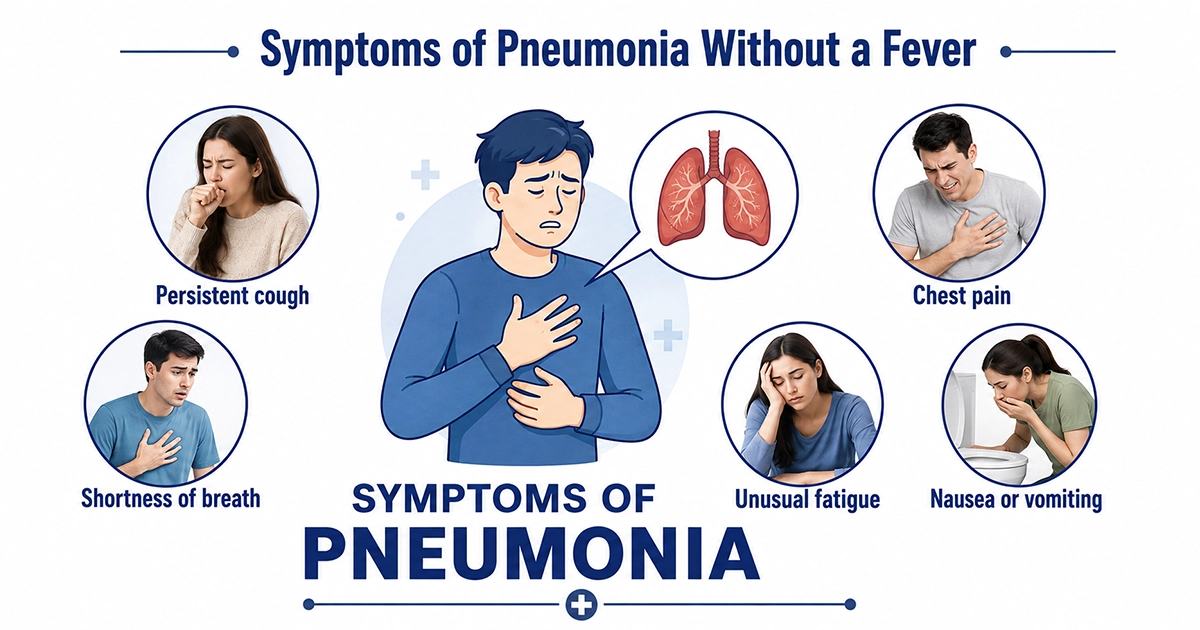
When fever is absent, other symptoms may provide important clues that a lung infection could be present. The symptoms can vary depending on the cause of pneumonia, the person’s age, and their overall health.
Common symptoms may include:
- Persistent cough: The cough may be dry or may produce mucus.
- Shortness of breath: You may feel unusually winded during normal activities or even at rest.
- Chest pain: Discomfort may worsen with deep breathing or coughing.
- Unusual fatigue: You may feel significantly weaker or more tired than expected.
- Chills or sweating: These can sometimes occur even without a measured fever.
- Loss of appetite: Eating and drinking may become less appealing during illness.
- Nausea or vomiting: Digestive symptoms can occur alongside respiratory symptoms.
- Confusion: This can be an important warning sign, particularly in older adults.
The CDC lists cough, shortness of breath, chest pain with breathing or coughing, fatigue, fever or chills, and confusion among common pneumonia symptoms.
Why Can Pneumonia Happen Without a Fever?
Fever occurs when the body responds to an infection by raising its temperature, but that response is not identical in every person. Some people may develop only a slight temperature change or no noticeable fever even when an infection affects the lungs.
Older adults and people with weakened immune systems may be less likely to develop typical pneumonia symptoms. Instead, they may experience weakness, confusion, reduced appetite, lower-than-normal body temperature, or worsening breathing. This is one reason pneumonia can sometimes be overlooked when fever is absent.
Who Is More Likely to Have Pneumonia Without a Fever?
Certain groups may develop pneumonia with less typical symptoms or without an obvious fever. Recognizing these differences is particularly important because the absence of fever can create a false sense that the illness is not serious.
1. Older Adults
Older adults may not develop the typical fever associated with pneumonia and may instead experience weakness, confusion, reduced activity, or a lower-than-normal temperature. A new change in mental status or physical function can sometimes be more noticeable than respiratory symptoms. Because pneumonia can become serious in older adults, new or worsening symptoms deserve timely medical evaluation.
2. People With Weakened Immune Systems
People with weakened immune systems may have a less noticeable inflammatory response to infection. This can make fever less reliable as a warning sign, even when a respiratory infection is affecting the lungs. Persistent cough, shortness of breath, unusual fatigue, or other changes in health should be evaluated rather than dismissed because there is no fever.
3. Young Children and Infants
Young children and infants may also show pneumonia differently from healthy adults. Instead of an obvious fever, they may become unusually tired or irritable, breathe rapidly, feed poorly, or show visible difficulty breathing. Parents and caregivers should pay close attention to changes in breathing, energy, feeding, and behavior.
What Is Silent Pneumonia?
The term silent pneumonia is sometimes used informally when pneumonia produces subtle, less noticeable, or atypical symptoms. It does not mean that the infection is harmless or that there are no symptoms at all. A person may simply have symptoms that are less obvious than the classic combination of fever, severe cough, and feeling acutely ill.
Because symptoms can be subtle, persistent breathing problems, unexplained fatigue, chest discomfort, or a cough that keeps worsening should not automatically be attributed to a minor respiratory infection. A healthcare professional can determine whether further evaluation is necessary.
Can Walking Pneumonia Occur Without a Fever?
Walking pneumonia is a term commonly used for pneumonia that may cause milder symptoms than a more severe lung infection. Some people may continue normal daily activities despite having a persistent cough, fatigue, headache, or other respiratory symptoms.
However, “walking pneumonia” does not mean that the infection should be ignored. Symptoms can vary from person to person, and the absence of a high fever does not establish the diagnosis. Persistent or worsening symptoms may require medical evaluation to determine the underlying cause.
How Is Pneumonia Diagnosed Without a Fever?
A healthcare professional does not need to find a fever to consider pneumonia. Diagnosis typically begins with the person’s symptoms and medical history, followed by a physical examination and assessment of breathing. The clinician may listen for abnormal lung sounds and check oxygen levels when appropriate.
Depending on the symptoms and suspected cause, additional testing may include:
- Chest X-ray: Can help identify areas of infection or inflammation in the lungs.
- Pulse oximetry: Measures the oxygen saturation in the blood.
- Blood tests: May help assess infection or inflammation.
- Sputum testing: May help identify certain infectious causes.
- Other imaging or respiratory testing: May be considered when the diagnosis is unclear.
A normal temperature should therefore not be treated as proof that pneumonia is absent. The overall clinical picture matters more than one symptom.
How Serious Is Pneumonia Without a Fever?
Pneumonia without a fever can range from mild to serious. The absence of fever does not determine how much the lungs are affected or how likely complications are to develop. Severity depends on factors such as the cause of the infection, age, underlying health conditions, immune status, and how well the lungs are functioning.
Older adults, young children, and people with serious medical conditions may have a higher risk of complications. Pneumonia can affect oxygen levels and breathing, so symptoms such as increasing shortness of breath, chest pain, confusion, or significant weakness should be taken seriously.
What Are the Complications of Pneumonia?
Pneumonia can sometimes lead to complications, particularly when the infection is severe, untreated, or occurs in older adults, young children, or people with other serious health conditions. The absence of fever does not eliminate this risk. Possible complications include:
- Respiratory failure: Severe pneumonia can prevent the lungs from supplying enough oxygen to the body.
- Acute respiratory distress syndrome (ARDS): Severe inflammation can cause significant breathing difficulty and dangerously low oxygen levels.
- Pleural complications: Fluid or infected fluid can build up around the lungs, causing chest pain and breathing problems.
- Lung abscess: A pocket of pus can develop inside damaged lung tissue and may require drainage or other treatment.
- Sepsis: An infection that spreads or triggers an extreme immune response can lead to sepsis, a life-threatening medical emergency.
- Heart, kidney, or liver problems: Severe pneumonia can affect other organs, particularly when oxygen levels become too low, or the body’s response to infection becomes severe.
These complications are not inevitable, and many people recover successfully with appropriate treatment. However, worsening shortness of breath, confusion, chest pain, bluish or gray lips or skin, or rapidly deteriorating symptoms require prompt medical attention.
When to See a Doctor for Pneumonia Symptoms?
Consider medical evaluation if you have a persistent cough, unexplained shortness of breath, chest pain, unusual fatigue, or symptoms that are getting worse rather than improving. You should be especially cautious if you are older, have a weakened immune system, or have an underlying heart or lung condition.
Seek medical care promptly if you experience:
- Shortness of breath that is new or worsening
- Chest pain when breathing or coughing
- Persistent or worsening cough
- Unusual confusion or difficulty staying alert
- Significant weakness or extreme fatigue
- Bluish or gray lips, face, or fingertips
- Rapid or difficult breathing
- Coughing up blood
For non-life-threatening respiratory symptoms, East Houston Medical Center’s Urgent Care Services can provide medical evaluation. For symptoms requiring ongoing or scheduled care, East Houston Medical Center’s Outpatient Services may also be appropriate.
When Is Pneumonia an Emergency?
Some breathing symptoms require immediate emergency care regardless of whether a person has a fever. Severe difficulty breathing, blue or gray discoloration, severe chest pain, confusion, or rapidly worsening symptoms can indicate a serious respiratory problem.
If you are struggling to breathe, cannot speak normally because of breathlessness, become unusually confused, or develop severe chest symptoms, seek emergency medical care immediately. East Houston Medical Center’s Emergency Care is available for serious and potentially life-threatening conditions, while emergencies should always be treated as urgent rather than waiting for symptoms to resolve.
How Is Pneumonia Treated?
Pneumonia treatment depends on what caused the infection, how severe it is, and the person’s overall health. Mild cases may be treated at home with prescribed medicines, rest, fluids, and symptom relief, while more serious infections may require hospital care. Because pneumonia can be caused by bacteria, viruses, or fungi, treatment is chosen according to the suspected cause rather than using the same medicine for every case.
1. Antibiotics for Bacterial Pneumonia
Antibiotics may be prescribed when pneumonia is caused by bacteria. The specific antibiotic depends on factors such as the suspected bacteria, the person’s health history, and how severe the infection is. Antibiotics should be taken exactly as prescribed and should not be started without medical guidance simply because pneumonia is suspected.
2. Antiviral Treatment for Viral Pneumonia
Some viral infections that cause pneumonia may be treated with antiviral medication, but antivirals do not work against every virus. The treatment depends on which virus is responsible and the person’s risk of developing severe illness. Early medical evaluation can be particularly important for people at higher risk of complications from respiratory infections.
3. Antifungal Treatment for Fungal Pneumonia
Fungal pneumonia may require prescription antifungal medication rather than antibiotics. The choice of treatment depends on the specific fungus involved and the person’s health status. Because fungal infections can require specialized treatment, suspected fungal pneumonia should be evaluated by a healthcare professional rather than treated with leftover antibiotics.
Supportive Care at Home
People with mild pneumonia may be able to recover at home while following their prescribed treatment plan. Helpful supportive measures can include:
- Drinking plenty of fluids to help maintain hydration.
- Getting adequate rest and sleep while the body recovers.
- Avoiding smoking and secondhand smoke, which can further irritate the lungs.
- Using recommended over-the-counter medicines for symptoms such as pain or fever when appropriate.
- Following prescribed medicines exactly as directed.
- Monitoring symptoms and contacting a healthcare professional if breathing problems or other symptoms worsen.
NHLBI recommends fluids, adequate nutrition, sleep, avoiding smoke, and following the prescribed treatment plan as part of pneumonia recovery.
Hospital Treatment for Severe Pneumonia
Severe pneumonia may require hospitalization when a person has significant breathing problems, low oxygen levels, serious complications, or other risk factors. Hospital treatment can include antibiotics or other medicines through an IV, fluids through a vein, and oxygen therapy. In very severe cases, mechanical ventilation may be needed to support breathing.
How Long Does Pneumonia Treatment Take?
Recovery time varies depending on the cause and severity of pneumonia and the person’s overall health. Some people begin feeling better within days of starting appropriate treatment, while fatigue and other symptoms may take several weeks to fully resolve. It is important to complete prescribed treatment and follow up with a healthcare professional if symptoms do not improve or suddenly become worse.
Get Pneumonia Treatment at East Houston Medical Center
A normal temperature does not automatically mean your lungs are clear. Pneumonia without fever can still cause meaningful respiratory symptoms, particularly in older adults, young children, and people with weakened immune systems. Recognizing symptoms beyond fever can help you seek appropriate care before breathing problems become more serious.
If you have a persistent cough, shortness of breath, chest discomfort, or other concerning symptoms, East Houston Medical Center can help you explore appropriate medical evaluation and care. For non-life-threatening symptoms, Urgent Care Services are available, while severe or potentially life-threatening breathing problems require immediate emergency medical attention.
Frequently Asked Questions
Can You Have Pneumonia Without a Fever?
Yes. Pneumonia can occur without a noticeable fever, particularly in older adults, young children, and people with weakened immune systems. Other symptoms such as cough, shortness of breath, chest pain, fatigue, or confusion may still occur.
What Are the First Signs of Pneumonia Without a Fever?
Early signs may include a persistent cough, unusual tiredness, shortness of breath, chest discomfort, or reduced appetite. Symptoms vary by age and health status, so a lack of fever does not rule out pneumonia.
Is Pneumonia Without a Fever Serious?
It can be. The absence of fever does not indicate how severe pneumonia is, and some people may develop significant breathing problems without a high temperature. Worsening shortness of breath, chest pain, confusion, or bluish skin requires prompt medical attention.
Can You Have Silent Pneumonia?
Yes, pneumonia can sometimes produce subtle or atypical symptoms that make the infection less obvious. Persistent cough, fatigue, breathing changes, or confusion may be more noticeable than fever, especially in older adults and people with weakened immune systems.
When Should I See a Doctor for Pneumonia Symptoms?
Seek medical evaluation for persistent or worsening cough, shortness of breath, chest pain, unusual weakness, or other concerning respiratory symptoms. Get emergency help for severe breathing difficulty, blue or gray lips, severe chest pain, confusion, or rapidly worsening symptoms.