
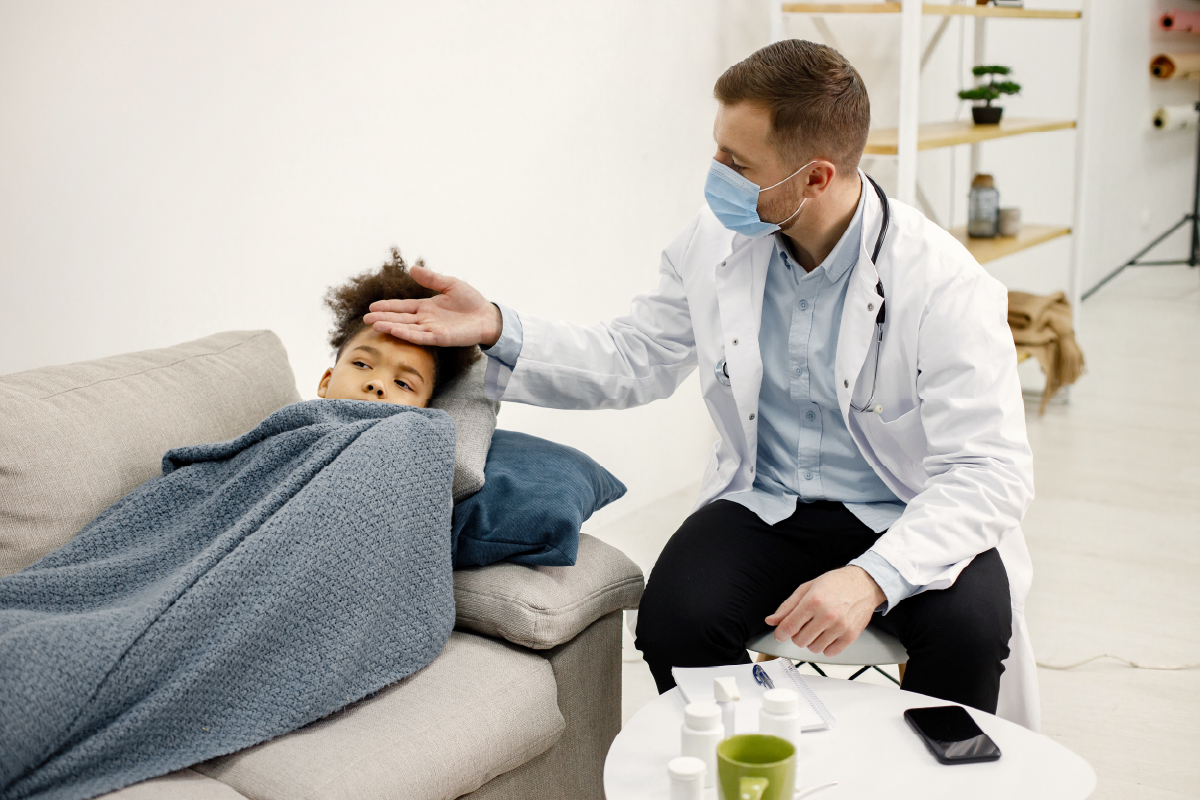
RSV, short for respiratory syncytial virus, is a common virus that affects the respiratory system, including the nose, throat, and lungs. RSV infections are especially common among young children, but people of any age can become infected. Like rhinovirus, another common respiratory virus, RSV can cause cold-like symptoms such as a runny nose, cough, and congestion.
What Causes RSV?
RSV is caused by the respiratory syncytial virus. It spreads easily from person to person through respiratory droplets and contact with contaminated surfaces. A person may become infected when they:
- Cough or sneeze near another person
- Have close physical contact with someone who has RSV
- Touch a contaminated surface and then touch their eyes, nose, or mouth
- Share items such as cups or utensils with an infected person
RSV can spread in homes, schools, childcare centers, workplaces, and other places where people are in close contact.
What Are the Symptoms of RSV?
RSV symptoms can vary from mild to severe. Many people experience symptoms that resemble a common cold. Common RSV symptoms include:
- Runny or stuffy nose
- Cough
- Sneezing
- Fever
- Decreased appetite
- Sore throat
- Tiredness
- Wheezing
In very young infants, symptoms may be less obvious. An infant with RSV may become unusually tired, irritable, or have difficulty breathing or feeding.
How Long Does RSV Last?
Most mild RSV infections improve within one to two weeks. Coughing and other respiratory symptoms can sometimes last longer.
The length and severity of an RSV infection depend on factors such as age, overall health, and whether the person has underlying medical conditions.
Who Is Most at Risk From RSV?
Although anyone can catch RSV, certain groups have a higher risk of developing serious illness. These include:
- Infants, particularly very young babies
- Older adults
- People with weakened immune systems
- People with chronic lung conditions
- People with certain heart conditions
- People with other conditions that increase the risk of respiratory complications
Young infants can be particularly vulnerable because their airways are small, so inflammation and mucus can make breathing more difficult.
Can RSV Cause Serious Illness?
Yes. In some people, RSV can develop into a more serious respiratory infection. Possible complications include bronchiolitis, which is inflammation of the small airways in the lungs, and pneumonia, an infection that affects the lungs.
Signs of potentially serious illness can include difficulty breathing, rapid breathing, dehydration, unusual sleepiness, or worsening symptoms.
How Is RSV Diagnosed?
Healthcare professionals may diagnose RSV based on a person’s symptoms and medical history. In some situations, a test may be used to confirm the infection. Testing can involve a sample collected from the nose using a swab. Depending on the situation, healthcare providers may use rapid antigen tests or molecular tests. Not everyone with mild RSV symptoms needs to be tested.
How Is RSV Treated?
There is generally no specific antibiotic treatment for RSV because RSV is a virus, while antibiotics are designed to treat bacterial infections. For mild infections, treatment usually focuses on relieving symptoms and supporting recovery. This may include:
- Getting plenty of rest
- Drinking enough fluids
- Managing fever and discomfort with appropriate medicines
- Using saline nasal drops or other recommended measures to ease congestion
People with severe RSV may need medical care, including oxygen or other supportive treatment.
How Can You Prevent RSV?
Because RSV spreads easily, good hygiene can help reduce the risk of infection. Helpful prevention measures include:
- Washing your hands regularly with soap and water
- Avoiding close contact with people who are sick
- Avoiding touching your eyes, nose, and mouth with unwashed hands
- Cleaning frequently touched surfaces
- Covering coughs and sneezes
- Staying home when you are sick when possible
There are also preventive products available for certain infants, children, pregnant people, and older adults. Eligibility depends on factors such as age, health history, and local recommendations.
When Should You See a Doctor?
Many RSV infections are mild, but medical attention may be important if symptoms become severe or if someone is at higher risk of complications. Seek prompt medical care if there are signs such as:
- Difficulty breathing
- Bluish or grayish skin, lips, or nails
- Severe weakness or unusual sleepiness
- Signs of dehydration
- Symptoms that are getting worse instead of better
- Trouble feeding in a young infant
For babies and people at higher risk of severe RSV, contact a healthcare professional if you are concerned about their symptoms.
RSV vs. a Common Cold
RSV can look very similar to a common cold, especially during the early stages of infection. Symptoms such as a runny nose, cough, and congestion can occur with both illnesses. The main difference is that RSV can be more likely to cause serious lower respiratory tract infections in certain high-risk groups, particularly young infants and older adults. Because the symptoms overlap with other respiratory infections, testing may be needed to determine whether RSV is responsible.
Get Medical Care for RSV Symptoms
RSV is often mild, but it can sometimes cause serious respiratory illness, especially in infants, older adults, and people with certain underlying health conditions. If you or a loved one is experiencing persistent or worsening RSV symptoms, difficulty breathing, or other concerning signs, seeking timely medical evaluation is important. Visit East Houston Medical Center to learn more about available healthcare services and get the care you need.
Key Takeaways
- RSV (respiratory syncytial virus) is a common respiratory infection that can affect people of all ages, especially young children.
- RSV can cause cold-like symptoms, including a runny or stuffy nose, cough, sneezing, fever, and wheezing.
- Most RSV infections are mild and improve within one to two weeks, although some symptoms may last longer.
- Infants, older adults, and people with certain underlying health conditions have a higher risk of developing serious RSV complications.
- RSV can sometimes lead to bronchiolitis or pneumonia, particularly in people at higher risk.
- Treatment for mild RSV usually focuses on rest, fluids, and symptom relief, while severe cases may require medical care and supportive treatment.
- Good hygiene, avoiding close contact with sick people, and cleaning frequently touched surfaces can help reduce the spread of RSV.
- Seek medical attention for difficulty breathing, dehydration, unusual sleepiness, bluish or grayish skin, worsening symptoms, or feeding difficulties in young infants.
- RSV can resemble a common cold, so testing may sometimes be needed to determine the cause of respiratory symptoms.
Frequently Asked Questions
Is RSV contagious?
Yes. RSV is contagious and can spread through respiratory droplets, direct contact, and contaminated surfaces.
Can adults get RSV?
Yes. Adults can become infected with RSV. In many healthy adults, the infection causes mild, cold-like symptoms, although older adults and people with certain medical conditions can develop more serious illnesses.
Is RSV the same as the flu?
No. RSV and influenza are different viruses. However, both can cause respiratory symptoms and can sometimes lead to serious complications.
Can you get RSV more than once?
Yes. A person can become infected with RSV more than once because previous infection does not provide complete lifelong protection.
Is RSV dangerous for babies?
RSV can be more serious in babies, particularly very young infants. It can cause bronchiolitis or pneumonia and may make breathing and feeding difficult.