
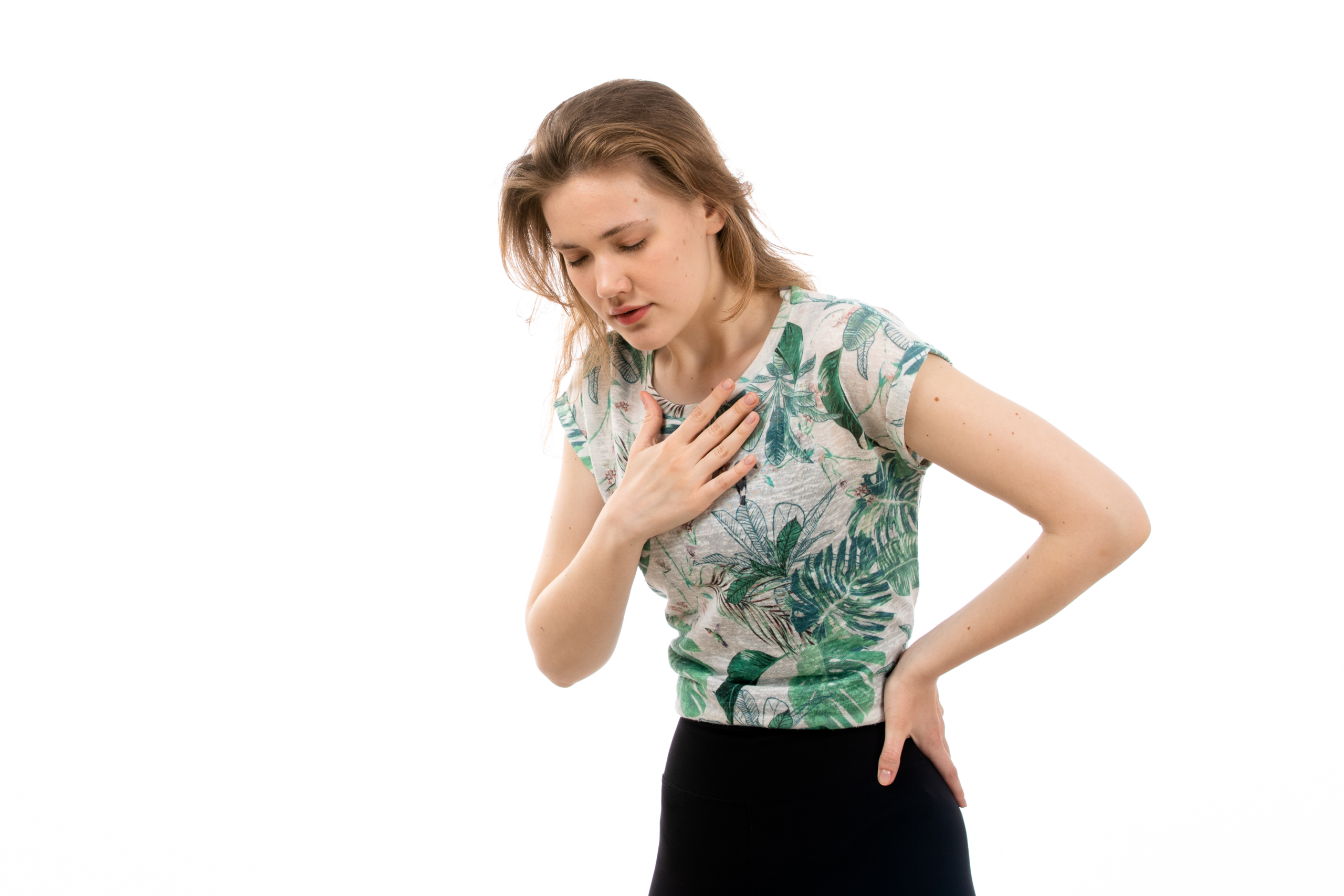
Chest pain in a woman can have many possible causes, ranging from muscle strain and acid reflux to heart and lung conditions. While not every case of chest pain is related to the heart, it is important not to ignore new, unexplained, severe, or persistent chest pain.
Women can also experience heart-related chest pain differently from what many people expect. Chest discomfort is still a common heart attack symptom in women, but other symptoms such as shortness of breath, nausea, unusual tiredness, or pain in the back, neck, jaw, shoulder, or arm may also occur.
What Can Cause Chest Pain in Women?
Chest pain in women can have many possible causes and may originate from the heart, lungs, digestive system, muscles, bones, or nerves. Some causes are minor and temporary, while others may require prompt medical attention. Understanding the possible causes can help women recognize when chest pain should be evaluated by a healthcare professional. Some common causes include:
- Heart-related conditions
- Acid reflux or heartburn
- Muscle strain
- Anxiety or panic attacks
- Respiratory infections
- Lung conditions
- Inflammation around the heart
- Inflammation of the cartilage connecting the ribs to the breastbone
Because many different conditions can cause similar symptoms, it isn’t always possible to determine the cause based on how the pain feels alone. A healthcare professional can evaluate the symptoms and recommend appropriate testing when necessary.
Heart-Related Causes of Chest Pain
One of the most important causes to consider is a problem affecting the heart, particularly when chest pain is new, severe, or occurs with other concerning symptoms. Heart-related conditions can affect blood flow to the heart or cause inflammation and other problems that lead to chest discomfort. Prompt medical evaluation may be necessary when symptoms suggest a potentially serious heart condition.
Angina
Angina is chest discomfort that occurs when the heart muscle does not receive enough oxygen-rich blood. It may feel like pressure, tightness, squeezing, or discomfort in the chest. Women with angina may also experience symptoms such as nausea, shortness of breath, or discomfort in the neck, jaw, back, abdomen, or shoulders.
Heart Attack
A heart attack occurs when blood flow to part of the heart muscle becomes blocked or severely reduced. Chest pain or discomfort is a common symptom, but women may also experience:
- Shortness of breath
- Nausea or vomiting
- Cold sweats
- Lightheadedness
- Unusual tiredness or weakness
- Pain in the back, shoulder, arm, neck, or jaw
These symptoms can sometimes be mistaken for less serious conditions, which may delay treatment.
Other Heart Conditions
Chest discomfort can also occur with other heart conditions, including certain heart rhythm problems and inflammation involving the heart. Because heart-related conditions can be serious, unexplained chest pain should be medically evaluated rather than self-diagnosed.
Can Acid Reflux Cause Chest Pain?
Yes. Acid reflux and heartburn can cause a burning sensation or discomfort in the chest. Symptoms may become more noticeable after eating or when lying down. Acid reflux can sometimes feel similar to heart-related chest discomfort, so it is important not to assume that chest pain is simply heartburn, particularly when symptoms are new or unusual.
Can Muscle Strain Cause Chest Pain?
Muscle strain can cause pain or tenderness in the chest, particularly after exercise, lifting, repetitive activity, or an injury. Pain caused by muscles or the chest wall may become more noticeable when you move, twist, or press on the affected area. Even so, the way chest pain feels isn’t enough to reliably determine its cause. New or unexplained chest pain should be assessed by a healthcare professional.
Can Anxiety Cause Chest Pain?
Anxiety and panic attacks can cause physical symptoms, including chest discomfort, rapid heartbeat, sweating, dizziness, and shortness of breath. These symptoms can sometimes resemble those of a heart problem. If chest pain is new, severe, or accompanied by other concerning symptoms, it is important to seek medical evaluation rather than assuming anxiety is the cause.
Can Lung Problems Cause Chest Pain?
Certain respiratory and lung conditions can cause chest pain. Possible causes include respiratory infections, inflammation, and other conditions affecting the lungs or the tissues surrounding them. Chest pain accompanied by significant difficulty breathing, fainting, or sudden worsening symptoms requires urgent medical attention.
What Does Heart-Related Chest Pain Feel Like in Women?
Heart-related chest pain in women can feel different from one person to another and may not always be severe or obvious. The discomfort can range from mild pressure or tightness to a more noticeable sensation in the center of the chest. It may appear suddenly or gradually and can occur during physical activity or even while resting. Common descriptions of heart-related chest discomfort include:
- Pressure
- Tightness
- Squeezing
- Fullness
- Burning
- Pain or discomfort in the center of the chest
The discomfort may last for several minutes, go away and return, or occur along with other symptoms. Women may also experience symptoms that aren’t always immediately recognized as heart-related, including unusual fatigue, nausea, shortness of breath, and discomfort in the back, neck, jaw, shoulder, or arm.
When Is Chest Pain an Emergency?
Chest pain should be treated as a potential emergency when it is severe, new, unexplained, or accompanied by other warning signs. Call 911 immediately if chest pain or discomfort occurs with symptoms such as:
- Shortness of breath
- Pain or discomfort in the arm, shoulder, back, neck, jaw, or stomach
- Cold sweating
- Nausea or vomiting
- Lightheadedness or fainting
- Unusual weakness or extreme fatigue
- Pressure, squeezing, or fullness in the center of the chest
The American Heart Association recommends calling 911 when heart attack symptoms are present, even if you’re not sure that a heart attack is occurring.
How Is Chest Pain Diagnosed?
A healthcare professional will usually begin by asking about your symptoms, medical history, medications, and possible risk factors. They may also ask when the pain started, how it feels, and whether anything makes it better or worse. Based on this initial assessment, different tests may be recommended to identify the underlying cause of the chest pain. Depending on the situation, evaluation may include:
- Physical examination
- Blood pressure and other vital signs
- Electrocardiogram (ECG or EKG)
- Blood tests
- Chest imaging
- Other heart or lung tests when appropriate
The tests used depend on the symptoms, medical history, and suspected cause. Some people may need only a basic evaluation, while others may require additional testing to check for heart, lung, digestive, or musculoskeletal conditions.
How Can Chest Pain Be Prevented?
Not every cause of chest pain can be prevented, but healthy lifestyle habits can help reduce the risk of certain heart and other health conditions. Making consistent choices that support heart health may also help manage important risk factors over time. Prevention should be tailored to your individual health needs, medical history, and risk factors. Helpful habits may include:
- Staying physically active
- Eating a balanced diet
- Avoiding tobacco products
- Managing blood pressure and cholesterol
- Maintaining a healthy weight
- Managing conditions such as diabetes
- Keeping up with routine medical care
Women should also discuss their personal risk factors for heart disease with a healthcare professional. Regular checkups can help identify health concerns early and provide guidance on appropriate lifestyle changes, screening, and treatment when needed.
Get Medical Care for Chest Pain
Chest pain can have many possible causes, and getting the right medical evaluation is important when symptoms are persistent, unexplained, or concerning. If you are experiencing severe or unexplained chest pain, especially along with shortness of breath, nausea, dizziness, unusual fatigue, or pain that spreads to the arm, back, neck, jaw, or shoulder, call 911 immediately and do not wait for symptoms to improve. For non-emergency concerns or questions about chest pain, visit East Houston Medical Center to learn more about available healthcare services and get the medical attention you need.
Frequently Asked Questions
What is the most common cause of chest pain in women?
There isn’t one single cause of chest pain in women. Chest discomfort can result from heart conditions, acid reflux, muscle strain, anxiety, and respiratory or other medical conditions.
Can chest pain in women be a sign of a heart attack?
Yes. Chest pain or discomfort is a common heart attack symptom in women. Women may also experience shortness of breath, nausea, unusual fatigue, or pain in the back, neck, jaw, shoulder, or arm.
Can a woman have a heart attack without chest pain?
Yes. Some women may experience heart attack symptoms without obvious chest pain. Symptoms can include shortness of breath, nausea, unusual tiredness, dizziness, or discomfort in other areas of the upper body.
Should I go to the emergency room for chest pain?
If chest pain is severe, new, unexplained, or accompanied by symptoms such as shortness of breath, sweating, nausea, fainting, or pain spreading to the arm, back, neck, or jaw, call 911 immediately.
Can heartburn feel like chest pain?
Yes. Acid reflux and heartburn can cause chest discomfort and may sometimes feel similar to heart-related pain. Because the symptoms can overlap, new or unexplained chest pain should not automatically be attributed to heartburn.