
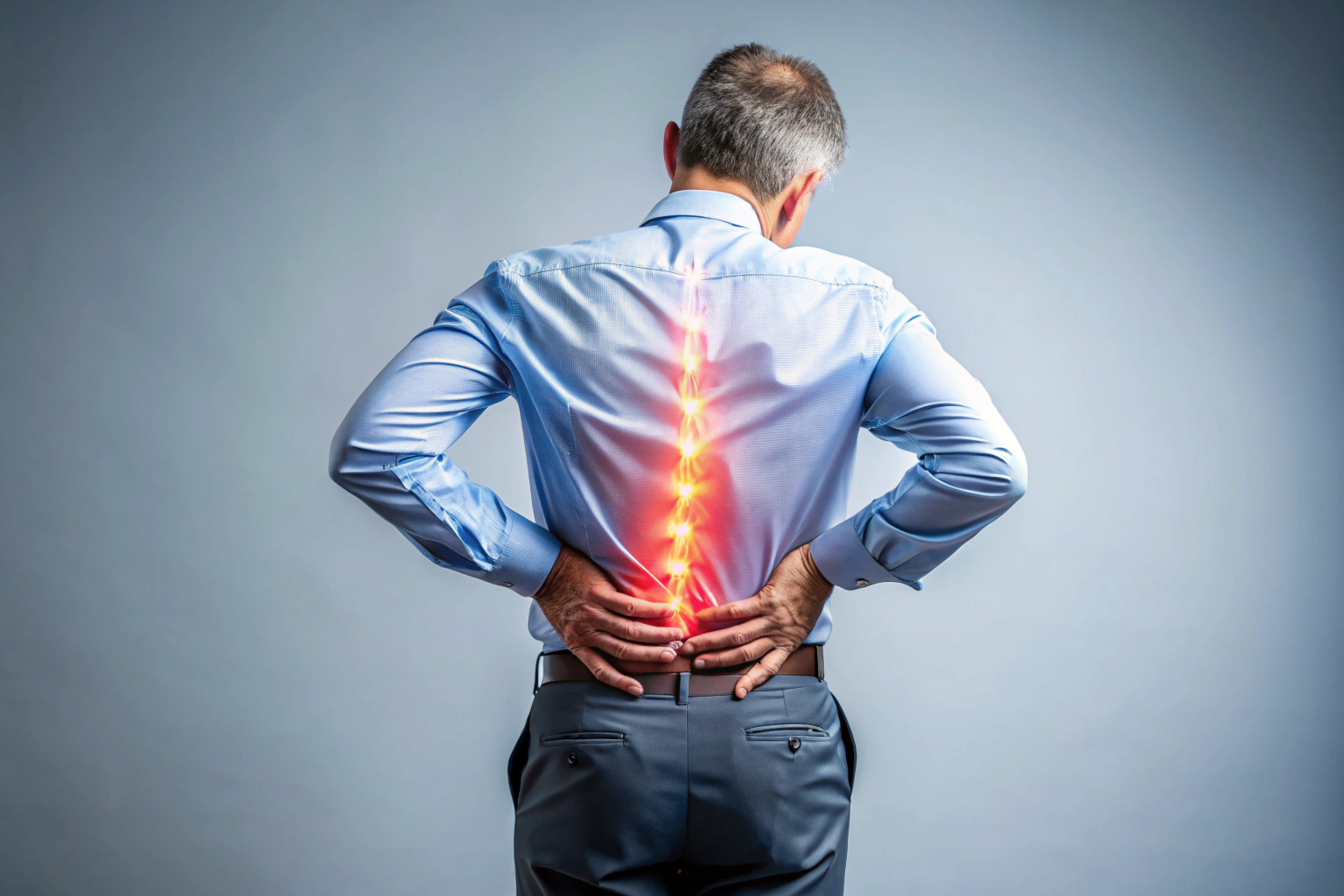
A herniated disc is a condition that occurs when one of the soft discs between the bones of the spine becomes damaged and part of its inner material pushes through a weakened or torn outer layer. A herniated disc can irritate nearby nerves and may cause pain, numbness, tingling, or weakness.
Herniated discs can occur in different parts of the spine, but they most commonly affect the lower back or neck. While some herniated discs cause no symptoms, others can lead to significant discomfort and difficulty with everyday activities. Understanding the causes, symptoms, and treatment options can help you recognize when medical evaluation may be needed.
What Is a Spinal Disc?
To understand a herniated disc, it helps to know what spinal discs do. The spine is made up of a series of bones called vertebrae. Between many of these vertebrae are flexible discs that act as cushions. These discs help absorb shock and allow the spine to bend, twist, and move.
Each disc has a tough outer layer surrounding a softer, gel-like center. A herniated disc occurs when part of the inner material pushes through a damaged area of the outer layer.
What Causes a Herniated Disc?
A herniated disc can develop for several reasons, often due to a combination of age, physical strain, lifestyle factors, or injury. The spinal discs act as cushions between the vertebrae, but they can weaken or become damaged over time. Understanding the common causes can help people take steps to reduce strain on their spine and lower their risk of disc problems.
Age-Related Wear and Tear
As people get older, spinal discs gradually lose water and become less flexible, making them more prone to damage. Over time, the outer layer of a disc may become weaker and develop small cracks or tears. This natural aging process is one of the most common reasons a disc may eventually herniate.
Lifting Heavy Objects
Lifting heavy objects incorrectly can place significant pressure on the spine and its discs. Bending from the waist, twisting while lifting, or using sudden force can increase this stress and potentially damage a disc. Using proper lifting techniques and keeping heavy loads close to the body can help reduce unnecessary strain.
Repetitive Movements
Activities that repeatedly involve bending, twisting, pulling, or lifting can place ongoing stress on the spinal discs. This may be particularly relevant for people whose jobs or daily activities require frequent physical movement. Repeated strain over time can contribute to disc weakening and increase the risk of herniation.
Injuries
A sudden injury, such as a fall, car accident, or sports-related impact, can sometimes damage the spine and its discs. A strong force may cause the outer layer of a disc to tear, allowing its inner material to push outward. In some cases, symptoms such as back pain, numbness, or weakness may appear after the injury.
Excess Body Weight
Carrying excess body weight can increase the mechanical stress placed on the spine during everyday activities. The additional pressure may contribute to faster wear and tear of the spinal discs, particularly in the lower back. Maintaining a healthy weight, along with regular physical activity, may help reduce unnecessary stress on the spine.
Genetics
Genetic factors may also play a role in a person’s tendency to develop disc problems. Some individuals may inherit characteristics that make their spinal discs more vulnerable to degeneration or injury. Having a family history of disc problems does not mean a person will definitely develop a herniated disc, but it may increase their susceptibility.
What Are the Symptoms of a Herniated Disc?
Symptoms of a herniated disc can vary depending on where the affected disc is located and whether it presses against a nearby spinal nerve. Some people may experience mild discomfort, while others can develop pain or changes in sensation that affect their daily activities. The symptoms may also differ depending on whether the herniated disc occurs in the neck or lower back. Common symptoms can include:
- Back or neck pain
- Pain that travels into an arm or leg
- Numbness
- Tingling or a pins-and-needles sensation
- Muscle weakness
- Pain that worsens with certain movements, coughing, or sneezing
Some people have a herniated disc without experiencing any noticeable symptoms.
Herniated Disc in the Lower Back
A herniated disc in the lower back can irritate nerves that travel into the legs. This may cause pain in the lower back as well as pain, tingling, numbness, or weakness that travels through the buttocks and leg. When nerve pain follows this pattern, it is often associated with sciatica. The severity and location of symptoms can vary depending on which nerve is affected.
Herniated Disc in the Neck
A herniated disc in the neck, also known as a cervical herniated disc, can affect the nerves that travel from the spine toward the shoulders, arms, and hands. When a disc presses on one of these nerves, it can cause pain or changes in sensation along the affected nerve pathway. The severity and location of symptoms can vary depending on which disc and nerve are involved. Possible symptoms include:
- Neck pain
- Shoulder pain
- Arm pain
- Tingling or numbness in the hand or fingers
- Weakness in the arm or hand
Symptoms may affect one side of the body depending on the location of the nerve irritation.
How Is a Herniated Disc Diagnosed?
A healthcare professional will typically begin by asking about your symptoms, medical history, and any activities or injuries that may be related to your condition. A physical examination can help assess how the spine and nerves are functioning and whether certain movements reproduce your symptoms. Based on these findings, additional tests may be recommended when needed. During the examination, they may check your:
- Muscle strength
- Reflexes
- Sensation
- Range of motion
- Ability to walk or perform certain movements
If additional information is needed, imaging tests may be recommended. An MRI can provide detailed images of the spine and identify a herniated disc or nerve compression. CT scans can provide additional images of the spine, while X-ray imaging can help evaluate the spinal bones. Other tests may be used based on the person’s symptoms and circumstances.
How Is a Herniated Disc Treated?
Treatment for a herniated disc depends on the severity and duration of symptoms, the location of the affected disc, and whether a nearby nerve is being compressed. Many people experience improvement with conservative, nonsurgical approaches over time. A healthcare professional can recommend a treatment plan based on the individual’s symptoms and overall health.
Rest and Activity Modification
Making short-term changes to activities that increase pain can give the affected area time to recover and reduce irritation. Avoiding heavy lifting, repetitive bending, or movements that worsen symptoms may be helpful. However, prolonged bed rest is generally not recommended because staying active within comfortable limits can support recovery.
Physical Therapy
Physical therapy can help improve strength, flexibility, posture, and movement while reducing unnecessary strain on the spine. A physical therapist may develop an individualized exercise program based on the location and severity of the symptoms. Regular exercises may also help improve mobility and support the muscles surrounding the spine.
Medications
Healthcare professionals may recommend medications to help manage pain, inflammation, or muscle-related discomfort associated with a herniated disc. The choice of medication can depend on the person’s symptoms, medical history, and other medicines they may be taking. Medications should be used according to professional guidance and recommended instructions.
Injections
In some cases, a healthcare professional may recommend an injection near the affected nerve or area of inflammation. These injections may help reduce inflammation and provide temporary relief from pain when other conservative treatments have not provided enough improvement. The potential benefits and risks should be discussed with a healthcare professional before treatment.
Surgery
Most people with a herniated disc do not require surgery and may improve with nonsurgical treatment. Surgery may be considered when symptoms persist despite other treatments or when significant nerve problems, such as worsening weakness, develop. The decision depends on the individual’s symptoms, examination findings, imaging results, and overall health.
The appropriate treatment should be determined with a healthcare professional based on the individual’s condition, symptoms, and response to treatment.
Can a Herniated Disc Heal on Its Own?
Some herniated discs improve over time without surgery. Symptoms may gradually decrease as inflammation around the affected nerve settles and the body responds to the disc injury. However, persistent or worsening symptoms should be evaluated by a healthcare professional.
How Can You Prevent a Herniated Disc?
It isn’t always possible to prevent a herniated disc, particularly when age-related changes or genetic factors are involved. However, adopting healthy habits can help reduce unnecessary stress on the spine and support overall back health. Paying attention to posture, movement, physical activity, and body weight may help lower the risk of disc-related problems. Consider:
- Using proper lifting techniques
- Maintaining a healthy weight
- Staying physically active
- Strengthening the muscles that support your back and core
- Maintaining good posture
- Avoiding prolonged positions that place excessive strain on your back
- Using proper techniques during sports and physical activities
When Should You See a Doctor?
Persistent back or neck pain, numbness, tingling, or weakness should be evaluated by a healthcare professional, especially if symptoms interfere with everyday activities. Seek urgent medical attention if you experience severe or rapidly worsening symptoms, particularly:
- Loss of bladder or bowel control
- Numbness around the inner thighs, buttocks, or genital area
- Significant or worsening weakness in the legs
- Difficulty walking
These symptoms can indicate serious nerve compression and require prompt medical evaluation.
Get Care for Back or Neck Pain
If you are experiencing persistent back or neck pain, numbness, tingling, weakness, or other symptoms that may be related to a herniated disc, seeking medical evaluation can help identify the cause and determine the appropriate next steps. East Houston Medical Center offers healthcare services to help patients address a range of health concerns. If your symptoms are persistent, worsening, or interfering with your daily activities, visit East Houston Medical Center to learn more about available services and get the medical care you need.
Key Takeaways
- A herniated disc occurs when the inner material of a spinal disc pushes through a weakened or damaged outer layer.
- Herniated discs most commonly affect the lower back or neck and may irritate nearby nerves.
- Common symptoms include back or neck pain, numbness, tingling, weakness, and pain that travels into an arm or leg.
- Disc herniation can result from age-related wear and tear, improper lifting, repetitive movements, injuries, excess body weight, or genetic factors.
- A herniated disc in the lower back may cause sciatica, with pain or other symptoms extending through the buttocks and leg.
- Many herniated discs improve with nonsurgical treatments, such as activity modification, physical therapy, medications, and, in some cases, injections.
- Surgery is not usually necessary, but it may be considered when symptoms persist or significant nerve problems develop.
- Maintaining good posture, staying active, using proper lifting techniques, and strengthening the back and core may help reduce strain on the spine.
- Seek medical evaluation for persistent or worsening pain, numbness, tingling, or weakness.
- Loss of bladder or bowel control, numbness around the inner thighs or buttocks, significant leg weakness, or difficulty walking can indicate serious nerve compression and require urgent medical attention.
Frequently Asked Questions
Is a herniated disc serious?
A herniated disc can range from mild to serious. Some people have few or no symptoms, while others experience significant pain or nerve-related symptoms. Severe nerve compression requires prompt medical evaluation.
What does a herniated disc feel like?
A herniated disc may cause localized back or neck pain, or pain that travels into an arm or leg. Numbness, tingling, and muscle weakness can also occur when a nearby nerve is affected.
Can you walk with a herniated disc?
Many people with a herniated disc can continue walking, although movement may be uncomfortable. The ability to walk depends on the severity and location of the disc problem and whether nerves are affected.
Does a herniated disc require surgery?
Not usually. Many people improve with nonsurgical treatment. Surgery may be considered when symptoms persist despite treatment or when significant nerve problems develop.
How long does a herniated disc take to heal?
Recovery varies from person to person. Some people improve within weeks, while others may experience symptoms for longer. A healthcare professional can help determine an appropriate treatment plan based on your symptoms.