Human metapneumovirus, better known as HMPV, may not be as familiar as the flu or COVID-19, but it is one of the most common causes of respiratory illness every winter and spring. Most people catch it at least once by age 5, and many get it again throughout life. For healthy adults, HMPV usually feels like a bad cold. For babies, older adults, and people with weakened immune systems, it can lead to pneumonia and trouble breathing.
If you or your child has a cough, fever, and labored breathing, it is important to know when home care is enough. When breathing becomes difficult, an emergency room visit can provide oxygen, testing, and treatment right away. East Houston Medical Center is open 24/7.
What Is HMPV?
HMPV is a respiratory virus first identified in 2001, although it has likely been circulating for decades. It belongs to the same family of viruses as RSV and causes similar symptoms. According to the CDC, HMPV can cause upper and lower respiratory infections in people of all ages.
In the U.S., HMPV usually circulates from late winter through spring, often overlapping with flu and RSV season.
How Does HMPV Spread?
- Coughs and sneezes: respiratory droplets can travel to people nearby.
- Close contact: shaking hands, hugging, or caring for someone who is sick.
- Contaminated surfaces: touching doorknobs, toys, or phones and then your mouth, nose, or eyes.
Symptoms usually appear 3 to 6 days after exposure.
HMPV Symptoms
HMPV symptoms often look like a common cold at first:
- Cough.
- Fever.
- Runny or stuffy nose.
- Sore throat.
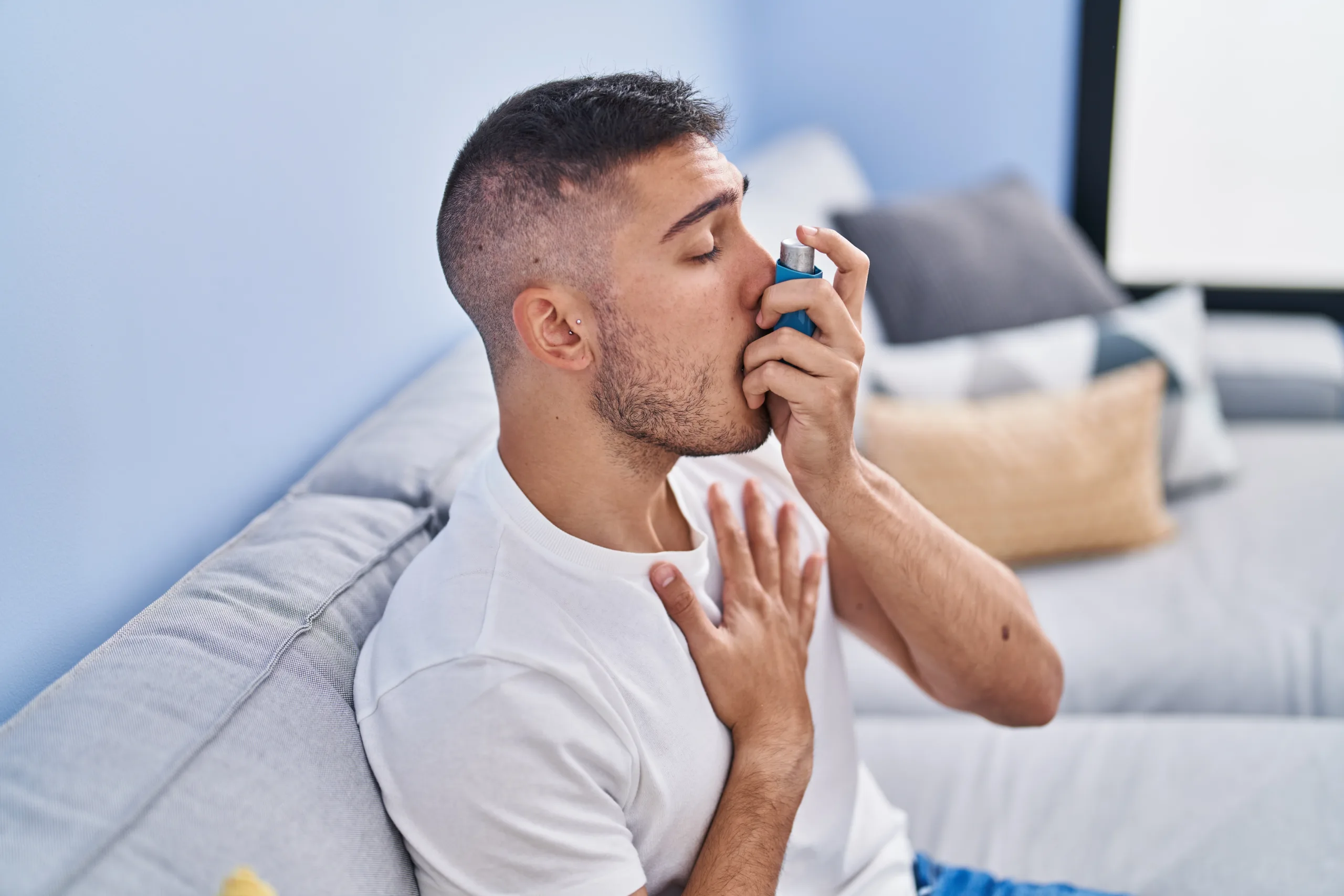
- Shortness of breath.
- Wheezing.
In more severe cases, the virus can move into the lungs and cause bronchiolitis, bronchitis, or pneumonia. Symptoms usually last a few days to about a week, though a cough can linger longer.
Who Is Most At Risk For Severe HMPV?
- Infants and young children: especially those under 2 years old.
- Adults 65 and older: who may develop pneumonia.
- People with asthma or COPD: HMPV can trigger flare-ups.
- People with weakened immune systems: such as those receiving chemotherapy or an organ transplant.
HMPV Vs. RSV Vs. Flu
HMPV, RSV, and flu can look almost identical. The flu tends to come on suddenly with high fever and body aches. RSV and HMPV often start more gradually with congestion and cough. The only way to know for sure is with a test, which can be helpful for high-risk patients. Unlike flu and COVID-19, there is no antiviral medicine or vaccine for HMPV yet.
How To Prevent HMPV
- Wash your hands often with soap and water.
- Avoid touching your face with unwashed hands.
- Clean shared surfaces during cold and flu season.
- Stay home when you are sick.
- Keep sick family members away from newborns and older relatives when possible.
How Is HMPV Diagnosed And Treated?
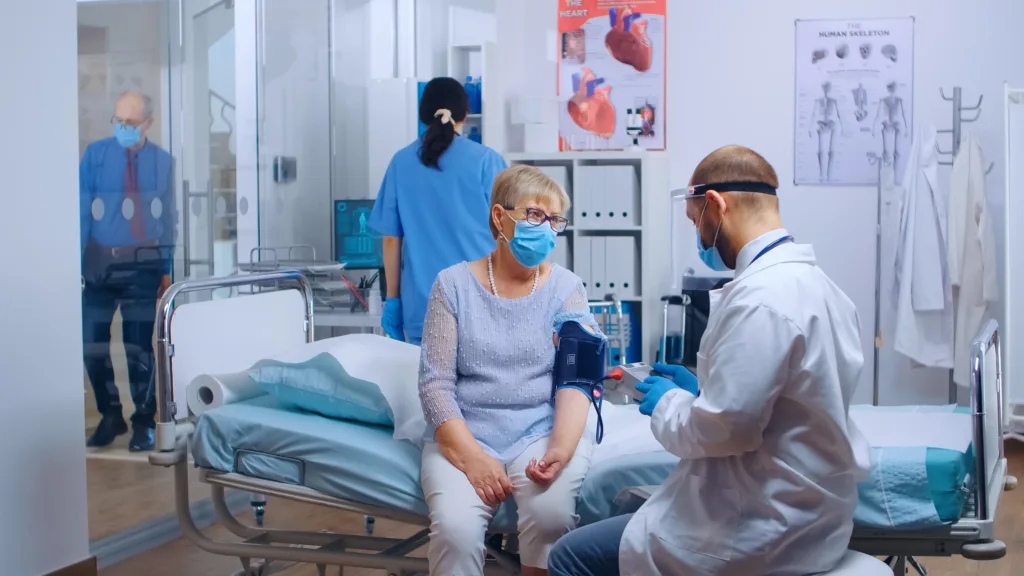
Doctors can diagnose HMPV with a nasal swab, often as part of a respiratory panel that also checks for flu, COVID-19, and RSV. A chest X-ray may be used if pneumonia is suspected.
Because there is no specific antiviral, treatment focuses on easing symptoms:
- Rest and fluids: to help your body fight the virus.
- Fever reducers: such as acetaminophen or ibuprofen, used as directed.
- Humidified air: to loosen congestion.
- Breathing treatments: for wheezing, given in a clinic or ER.
- Oxygen therapy: for patients with low oxygen levels.
Antibiotics do not work against HMPV unless a bacterial infection develops on top of it.
When To Go To The ER For HMPV
Go to the ER or call 911 if you or your child has:
- Difficulty breathing or very fast breathing.
- Skin pulling in between the ribs with each breath.
- Blue or gray lips, face, or fingernails.
- A high fever that will not come down, or any fever in a baby under 3 months.
- Signs of dehydration, such as no wet diapers for 8 hours.
- Confusion or extreme sleepiness.
Our 24/7 emergency room offers rapid respiratory testing, chest X-rays, and breathing support for children and adults.
Get Evaluated For Severe Respiratory Symptoms
HMPV is usually mild, but it can quickly become serious for vulnerable family members. If you are near Northeast Houston and need an ER Houston TX families trust, East Houston Medical Center provides fast testing and treatment.
Searching for emergency rooms near me open around the clock? Our team is ready 24/7. For life-threatening emergencies, call 911 right away.
Key Takeaways
- HMPV is common: most people catch it by age 5 and again later in life.
- It can be serious: young children, older adults, and people with lung disease face the highest risk.
- Treatment is supportive: there is no antiviral or vaccine, so watch closely for breathing problems.
Frequently Asked Questions
Is HMPV Contagious?
Yes. HMPV spreads easily through respiratory droplets and contaminated surfaces, especially in homes, schools, and daycares.
How Long Does HMPV Last?
Most people recover in about a week, but cough and fatigue may last longer.
Is HMPV New?
No. HMPV was identified in 2001 but has been around for decades. It sometimes makes headlines when cases rise.
Can Adults Get HMPV?
Yes. Adults usually have mild cold symptoms, but older adults and people with chronic conditions can become seriously ill.