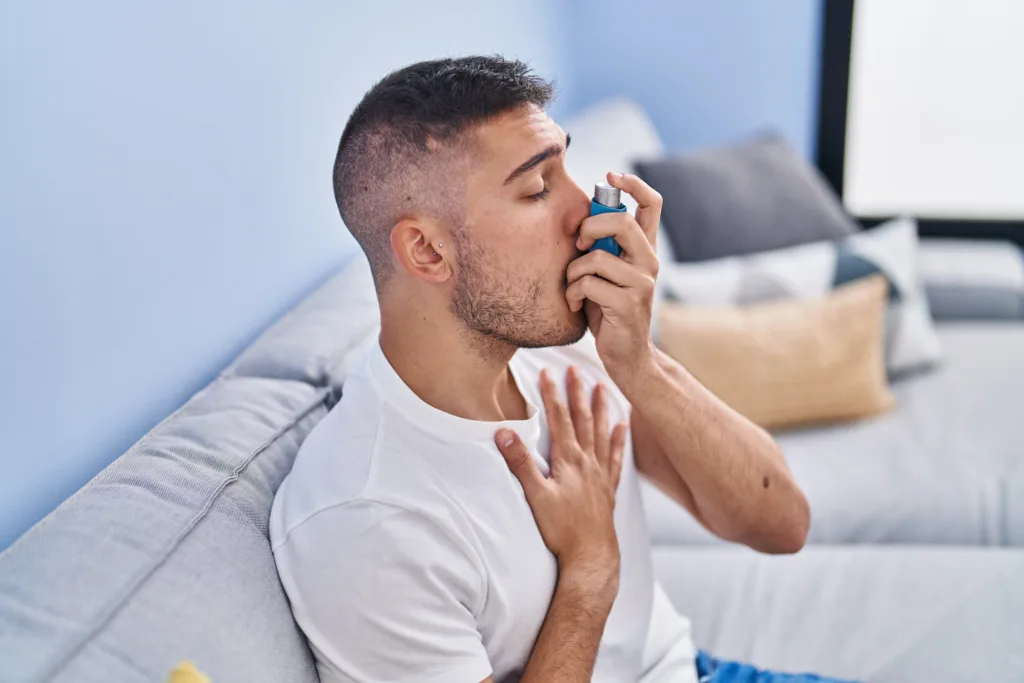
Hearing a doctor say “COPD” can raise a lot of questions, and one of the first is usually how serious it is. So, what are the 4 stages of COPD? Doctors use a scale from mild to very severe to describe how much airflow is blocked in your lungs. Knowing your stage helps you understand your symptoms today, what changes to watch for, and how treatment can help you keep doing the things you enjoy.
COPD can be managed for many years, but flare-ups can turn dangerous quickly at any stage. If you are struggling to breathe and searching for an ER near me, East Houston Medical Center is open 24/7 with oxygen therapy, breathing treatments, and on-site imaging.
What Is COPD?
Chronic obstructive pulmonary disease is a long-term lung condition that makes it hard to move air out of your lungs. It mainly includes emphysema, which damages the air sacs, and chronic bronchitis, which keeps the airways inflamed and full of mucus. Smoking is the top cause, but secondhand smoke, workplace dust and fumes, and air pollution also play a role.
Air quality matters for Houston families living with COPD. The American Lung Association gave Harris County an “F” grade for high ozone days, and more than 1.3 million Texas adults have been diagnosed with COPD.
How COPD Stages Are Measured
COPD stages come from the Global Initiative for Chronic Obstructive Lung Disease (GOLD). Your doctor uses a breathing test called spirometry, where you blow as hard and fast as you can into a tube. The key number is FEV1, the amount of air you can push out in one second, compared with what is normal for someone your age, height, and sex.
The 4 Stages Of COPD
Stage 1: Mild COPD (FEV1 80% Or Higher)
Lung function is only slightly reduced. You may have a morning cough or bring up a little mucus, but many people feel normal and do not realize they have COPD yet.
- What it feels like: a “smoker’s cough,” mild shortness of breath when hurrying.
- What helps most: quitting smoking, staying active, and getting vaccinated.
Stage 2: Moderate COPD (FEV1 50% To 79%)
Symptoms become noticeable, and this is when most people are diagnosed. Daily tasks like climbing stairs or carrying laundry can leave you winded.
- What it feels like: more frequent cough, extra mucus, chest colds that linger.
- What helps most: daily inhalers and pulmonary rehabilitation.
Stage 3: Severe COPD (FEV1 30% To 49%)
Breathlessness limits everyday life, and flare-ups happen more often. Fatigue and ankle swelling may appear.
- What it feels like: getting winded while dressing or showering.
- What helps most: combination inhalers, close monitoring, and possibly oxygen.
Stage 4: Very Severe COPD (FEV1 Below 30%)
Also called end-stage COPD. Breathing can be hard even at rest, and many people need long-term oxygen. Low oxygen can also strain the heart.
- What it feels like: constant breathlessness and frequent flare-ups.
- What helps most: oxygen therapy, pulmonary rehab, and in some cases surgery or a lung transplant evaluation.
Stage Is Only Part Of The Picture
Doctors now also look at how many flare-ups you have had in the past year and how much your symptoms affect your daily life. Patients are sorted into groups A, B, or E, with Group E meaning you are prone to flare-ups. Two people at the same stage may need very different treatment, so do not compare your plan with someone else’s.
How To Slow COPD Progression
- Stop smoking: the single most effective step at every stage.
- Use inhalers correctly: ask your doctor to watch your technique.
- Stay current on vaccines: flu, COVID-19, pneumococcal, and RSV vaccines lower your risk of flare-ups.
- Check the air quality: on high-ozone days in Houston, limit time outdoors.
- Keep moving: pulmonary rehab and regular walking strengthen your breathing muscles.
When To Go To The ER For A COPD Flare-Up
A flare-up, also called an exacerbation, is a sudden worsening of symptoms, often triggered by a cold, the flu, or polluted air. Go to the ER or call 911 if you have:
- Severe shortness of breath that your rescue inhaler does not relieve.
- Trouble speaking in full sentences.
- Blue or gray lips or fingertips.
- Confusion or extreme drowsiness.
- Chest pain or a racing heartbeat.
Many people with COPD hesitate to go to the ER because they worry about long waits. Checking ER wait times can help you plan, but if you cannot catch your breath, go right away.
Get Help For COPD Flare-Ups In Houston
Knowing your COPD stage is a powerful tool, but flare-ups need fast treatment. For residents near Channelview, Sheldon, and northeast Houston, our emergency clinic in Houston provides around-the-clock breathing treatments, oxygen, and chest X-rays.
If you need emergency care near me for breathing problems, East Houston Medical Center is
ready to help. For life-threatening emergencies, call 911 right away.
Key Takeaways
- COPD has 4 stages: mild, moderate, severe, and very severe, based on your FEV1.
- Flare-ups: can happen at any stage and can be life-threatening.
- Early action matters: quitting smoking and staying active slow the disease at every stage.
Frequently Asked Questions
What Is The Life Expectancy For Each COPD Stage?
It varies widely and depends on age, smoking status, other health conditions, and how often you have flare-ups. Many people live for years, even with advanced COPD, when they follow their treatment plan.
Can COPD Be Reversed?
No. Lung damage from COPD is permanent, but treatment can ease symptoms and slow the decline.
How Fast Does COPD Progress?
Some people stay in the same stage for years. Continued smoking and frequent flare-ups speed up progression.
Is Stage 4 COPD Always End Of Life?
Not necessarily. With oxygen, medication, and rehab, many people with stage 4 COPD continue to live meaningful lives for years.